Furniture can represent a significant part of the investment involved in setting up a new corporate workplace. Yet businesses sometimes approach budgeting by calculating only the cost of desks and chairs. A more useful furniture budget accounts for the entire workplace requirement, including storage, meeting areas, installation, and future needs.
For companies establishing offices in Noida or elsewhere in Delhi NCR, creating a structured budget before procurement can make supplier discussions considerably clearer.
Begin With A Complete Furniture Schedule
The first step is to identify everything the workplace requires.
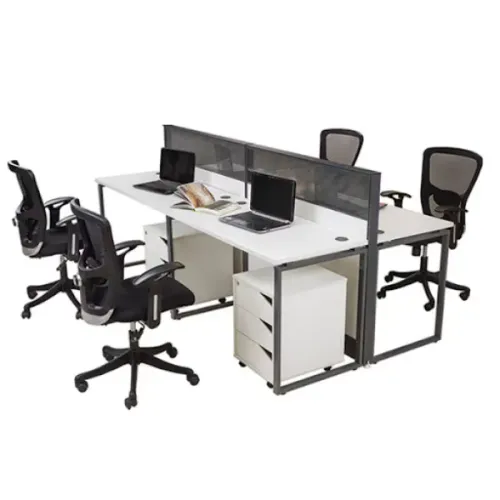
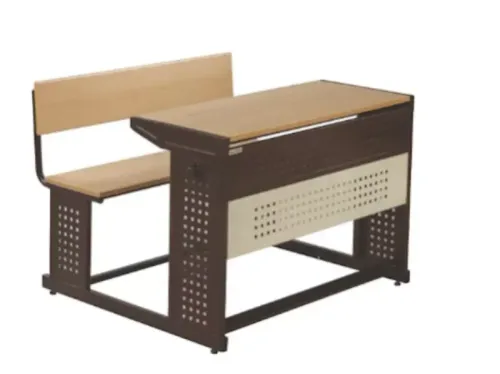
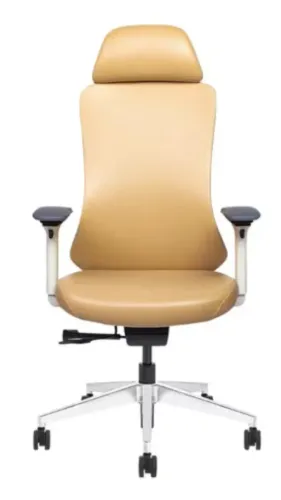
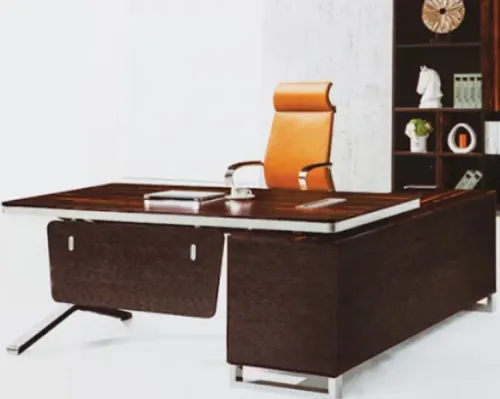
A basic schedule may include employee workstations, office chairs, executive desks, meeting tables, conference seating, reception furniture, storage cabinets, pedestals, collaboration furniture, and institutional furniture where applicable.
Quantities should be based on the actual floor plan and employee count rather than rough estimates.
Cost Per Employee Gives A Useful Starting Point
Dividing the furniture budget by the expected number of employees can provide a simple planning metric. However, this should not be treated as a universal benchmark because office requirements differ substantially.
An executive-heavy workplace, for example, may have a different furniture mix from a large operations centre.
The better approach is to calculate the cost of each furniture category and then assess the overall requirement.
Quality Should Be Considered Alongside Price
A low purchase price may appear attractive, but businesses should also consider expected usage, maintenance, replacement frequency, and service support.
A useful procurement comparison should examine what is included in the quoted specification, whether installation is included, what the site delivery conditions are, how modifications affect pricing, how maintenance is handled, and whether individual components can be replaced.
This provides a clearer understanding of the total purchase requirement.
Custom Furniture Can Affect The Budget
Customisation may be necessary when a workplace has unusual dimensions or specific functional requirements. However, every custom element should have a clear purpose.
Businesses can manage costs by identifying which features are essential and which are simply aesthetic preferences.
Future Expansion Should Be Accounted For
A company expecting workforce growth may benefit from choosing furniture that can be expanded or reconfigured. Buying a slightly adaptable system initially can reduce the need for complete replacement when the organisation grows.
Modular systems can be particularly useful in this context because additional components may be incorporated into an existing layout.
Supplier Evaluation Influences The Final Cost
The supplier's manufacturing capability, product range, installation process, and ability to coordinate bulk orders can all affect project execution.
Kantoor Furniture By 360 Degree Interiors supports businesses seeking office furniture solutions in Noida and Delhi NCR. For procurement managers, a well-defined furniture budget should therefore connect quantities, specifications, quality expectations, installation requirements, and future expansion.
The objective is not simply to find the lowest quotation. It is to establish a furniture specification that provides predictable value while remaining appropriate for the workplace's operational requirements.
Keywords