
Standard office furniture can meet many workplace requirements, but some projects involve dimensions, layouts, branding requirements, or functional needs that cannot be addressed effectively with off-the-shelf products. In such situations, working with a Custom Office Furniture Manufacturer can provide greater control over the final solution.
Custom furniture does not necessarily mean creating elaborate or unusual designs. It can simply mean modifying dimensions, materials, storage arrangements, finishes, or configurations to suit the actual workplace.
Unique Floor Plans Need Flexible Solutions
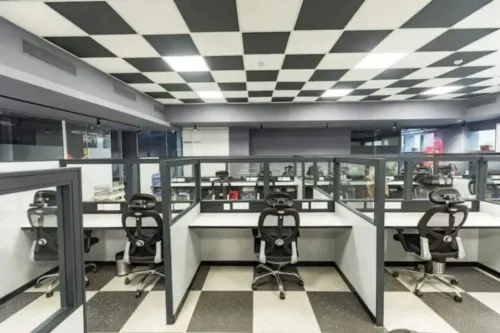
Commercial buildings rarely offer identical floor layouts. Columns, windows, structural walls, electrical points, fire exits, and circulation areas can influence where furniture can be placed.
A standard workstation may leave unusable gaps around these elements. Custom dimensions can help make better use of available floor space while maintaining practical movement.
For businesses in Noida, this can be relevant when furnishing offices within established commercial buildings where the interior layout has already been determined.
Departments May Need Different Furniture
A single furniture specification may not work equally well across every department.
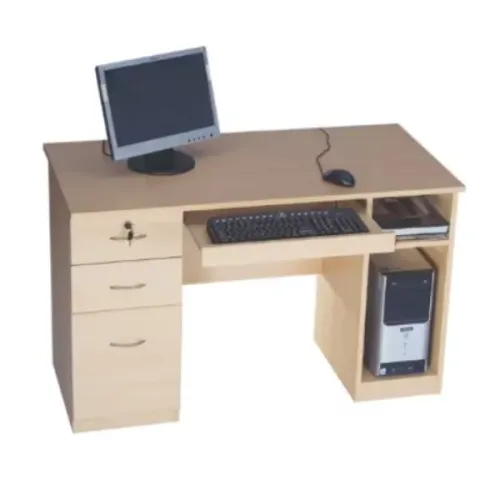
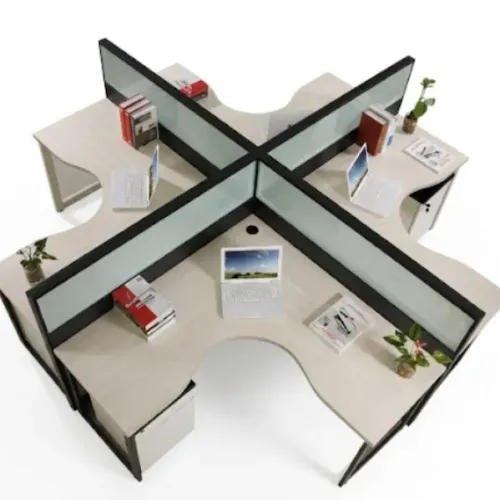
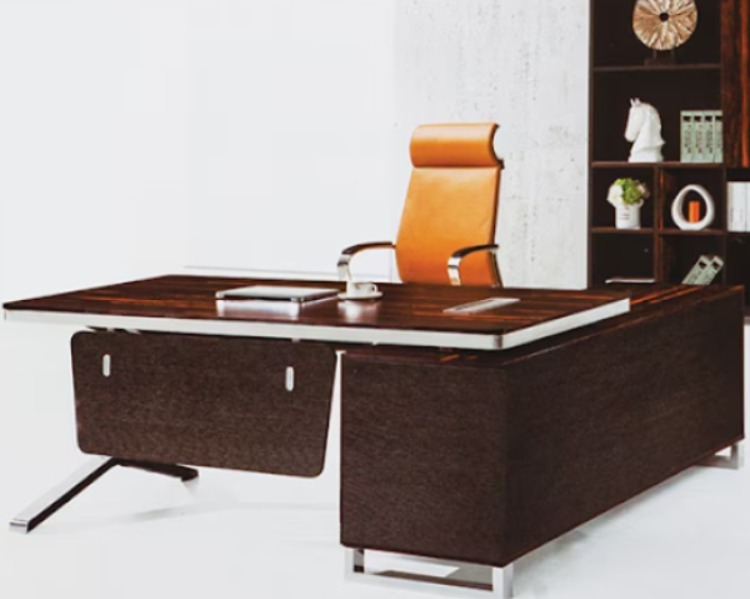
An organisation may require collaborative workstations for creative teams, higher storage capacity for administrative departments, executive desks for leadership areas, meeting tables for conference rooms, reception counters for visitor-facing spaces, and training furniture for internal learning areas.
Customisation can help maintain a coordinated visual language while addressing different functional requirements.
Storage Can Be Designed Around Actual Usage
Storage requirements are often underestimated during office planning. Documents, files, equipment, stationery, and personal items all need suitable locations.
Instead of adding random cabinets later, businesses can integrate storage into the initial furniture plan.
This approach can improve organisation while reducing clutter around workstations.
Customisation Should Remain Practical
There is a difference between useful customisation and unnecessary complexity. Every additional material, mechanism, dimension, or finish can influence production, maintenance, and replacement.
Before approving a customised specification, buyers should consider why the modification is required, whether employees will use the feature regularly, whether it can be maintained easily, whether replacement components can be obtained, and whether it improves the overall workplace function.
The answers help keep custom furniture focused on practical outcomes.
Manufacturer Capability Matters
Custom projects require stronger coordination than standard catalogue purchases. Measurements, drawings, material selections, prototypes, production, and installation need to align.
Kantoor Furniture By 360 Degree Interiors works with organisations seeking customised office and commercial furniture solutions in Noida and Delhi NCR. A manufacturer involved early in the planning process can help translate site requirements into workable furniture specifications.
For architects and interior designers, custom manufacturing can also provide greater flexibility when developing project-specific interiors. For procurement managers, the priority should remain clear specifications, predictable production, consistent quality, and practical after-sales support.
Custom office furniture becomes valuable when it solves a genuine workplace requirement. The goal is not simply to make furniture different, but to make the furniture fit the space, users, workflow, and operational needs more effectively.