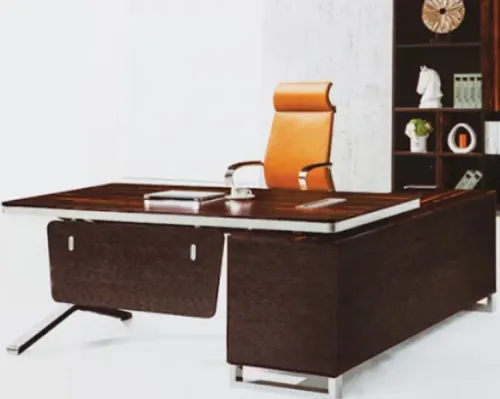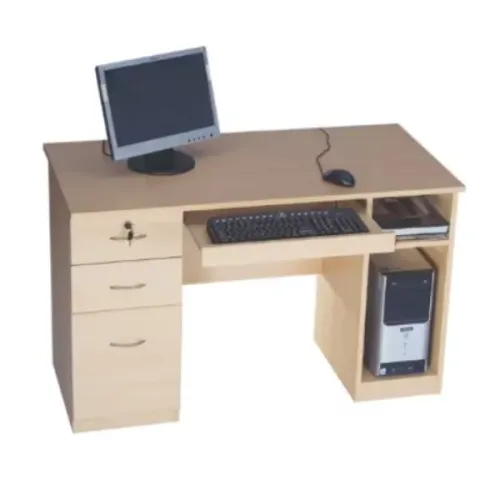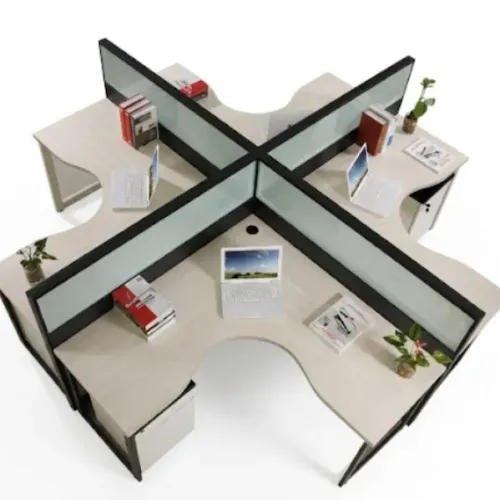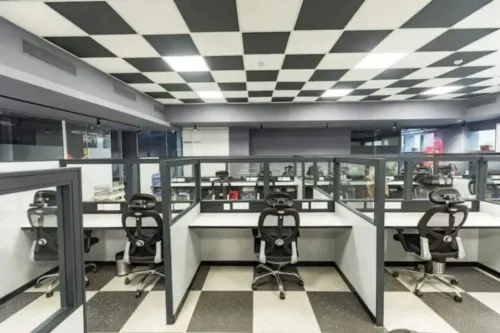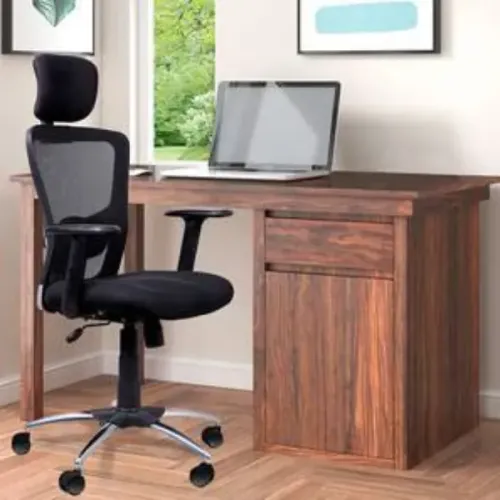
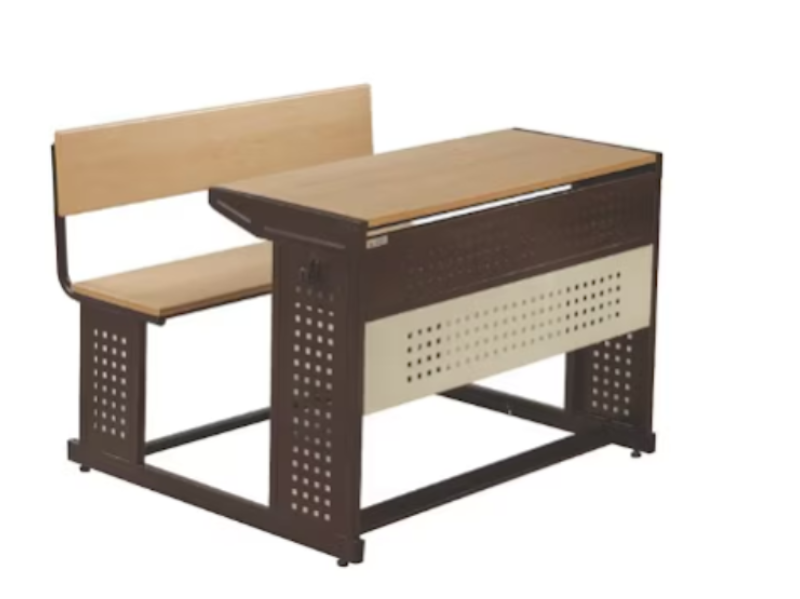
Educational institutions require furniture that supports teaching, learning, administration, movement, and changing room configurations. Schools, colleges, coaching centres, training institutes, and government educational facilities may also have to furnish multiple rooms within a fixed project budget.
For institutions in Noida and the wider Delhi NCR region, careful planning can help furniture serve different activities without creating unnecessary congestion.
Classroom Requirements Differ From Office Needs
Institutional furniture should be selected according to how each room is used. A classroom needs seating that supports teaching and student movement, while an administrative office may require workstations, storage, and staff seating.
A coaching centre may need flexible arrangements because classrooms can be used for different batches throughout the day.
Furniture planning should therefore begin with room-wise requirements rather than selecting a single product category for the entire building.
Flexible Arrangements Improve Room Utility
Furniture that can be rearranged can help institutions use the same space for different activities.
A room may need to support regular classroom teaching, group discussions, training sessions, examinations, workshops, parent meetings, and administrative activities.
Flexible layouts can increase the practical use of available floor space.
Durability Matters In Institutional Settings
Educational furniture can experience heavy daily use. Students move chairs, rearrange desks, carry bags, and use furniture repeatedly throughout the academic year.
Procurement teams should therefore consider construction quality, edge finishing, stability, ease of cleaning, and repairability.
The cheapest specification may not necessarily provide the lowest long-term cost if frequent repairs or replacements become necessary.
Storage Should Be Planned Alongside Seating
Institutions often need storage for teaching materials, records, stationery, equipment, and student resources. If storage is ignored during the initial planning stage, corridors and classrooms may eventually become cluttered with cabinets and loose materials.
Integrated or strategically positioned storage can help maintain cleaner circulation and better room organisation.
Procurement Requires Accurate Quantities
Institutional projects often involve multiple rooms and furniture categories. A quantity schedule should account for current requirements as well as a reasonable replacement reserve where appropriate.
Before ordering, procurement teams should verify room dimensions, required seating capacity, furniture dimensions, storage requirements, delivery access, installation schedule, and maintenance expectations.
Kantoor Furniture By 360 Degree Interiors works with commercial and institutional buyers in Noida and the Delhi NCR market seeking coordinated furniture solutions.
For educational institutions, successful furniture planning is less about filling rooms with products and more about matching furniture to the way students, teachers, administrators, and visitors use each space. A carefully developed specification can support better space utilisation while making future maintenance easier to manage.
Keywords