Office chairs are used continuously throughout the working day, yet they are often selected primarily by appearance and price. For corporate procurement, this approach can overlook adjustability, user fit, component quality, maintenance, and long-term comfort.
Choosing an Ergonomic Office Chair Supplier requires a closer evaluation of how chairs will actually be used.
For offices in Noida and throughout Uttar Pradesh, chair selection should account for diverse employees rather than assuming one fixed design will suit everyone.
Ergonomic Features Should Be Functional
The word ergonomic is widely used, but buyers should examine the actual features behind the description.
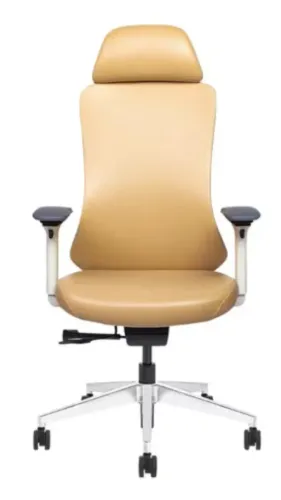
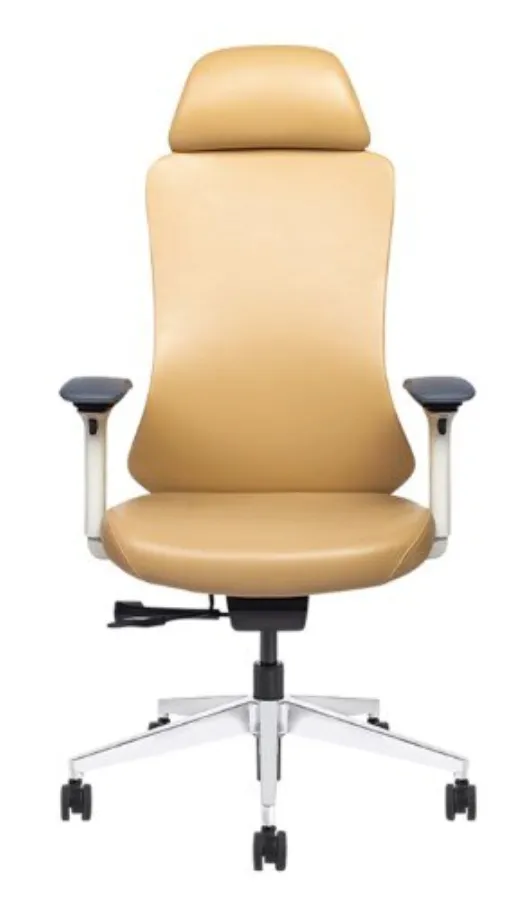
Depending on the chair model, useful adjustments may include:
- Seat-height adjustment
- Backrest support
- Adjustable armrests
- Reclining mechanism
- Tilt control
- Head support
- Seat-depth adjustment
- Lumbar support
Not every employee requires every adjustment. The goal is to select chairs appropriate for the duration and nature of use.
Seat Height Is Particularly Important
Employees should be able to position themselves comfortably relative to their desk.
If a chair cannot be adjusted appropriately, users may sit too high or too low compared with the work surface.
An adjustable seat-height mechanism helps accommodate users with different body dimensions and can improve compatibility with standard workstation heights.
Back Support Deserves Careful Evaluation
The backrest should provide comfortable support while employees work in their normal seated position.
Different chair designs use mesh, upholstered foam, moulded materials, or combinations of these.
There is no universal material that is automatically best for every workplace. Buyers should assess comfort, ventilation, cleaning, durability, and intended usage.
Test Chairs Before Bulk Procurement
Photographs cannot communicate how a chair feels.
For large corporate requirements, testing samples can be valuable. Employees or procurement representatives can examine adjustability, seat comfort, back support, armrest positioning, movement, and overall construction.
Architects and facility managers can also check whether the chair dimensions work correctly with selected workstations.
Consider Component Quality
An office chair contains several moving parts, making component quality important.
The base, castors, gas lift, mechanism, armrests, upholstery, mesh, and fasteners all contribute to overall performance.
An Ergonomic Office Chair Supplier should be able to provide clear product specifications and explain warranty coverage for relevant components.
Match Chairs to Different Workplace Areas
Using one chair model throughout the entire office may not always be necessary.
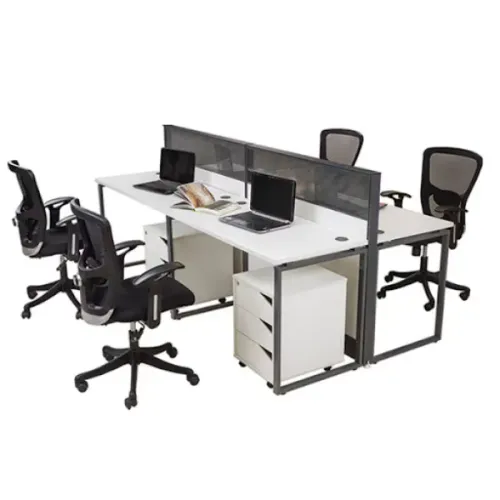
Task chairs are designed for regular desk-based work. Executive cabins may use chairs with different dimensions and finishes. Conference rooms can prioritize comfort and clean design, while training areas may need compact seating that is easier to move.
Reception and visitor chairs have another set of requirements.
Separating these categories can help organizations spend appropriately according to usage.
Plan for Maintenance
Office chairs experience wear because they move continuously and contain mechanical components.
Procurement teams should ask how servicing is handled, whether common components are replaceable, and how warranty requests are processed.
Kantoor Furniture By 360 Degree Interiors supplies furniture for commercial workplace requirements, including seating solutions suited to different office applications.
For businesses across Noida and Delhi NCR, chair procurement becomes more effective when ergonomics, user diversity, component quality, application, testing, and maintenance are evaluated together. A chair should not merely look suitable beside a workstation. It should support practical everyday use throughout its expected service life.
Keywords