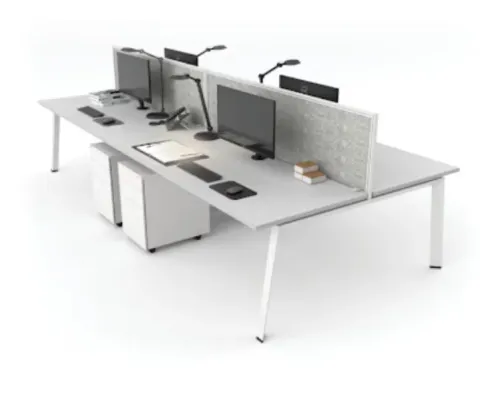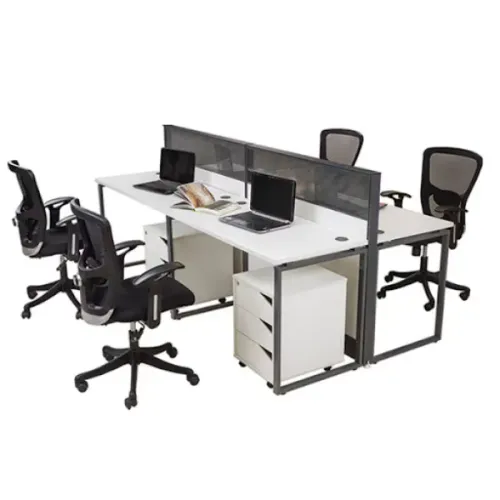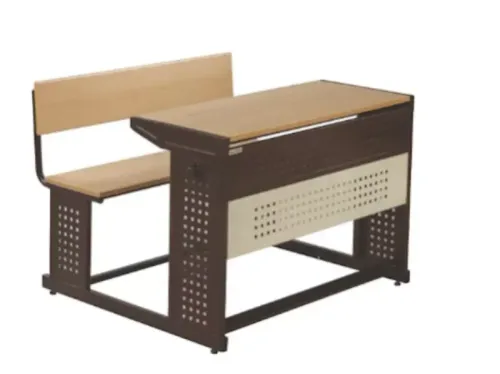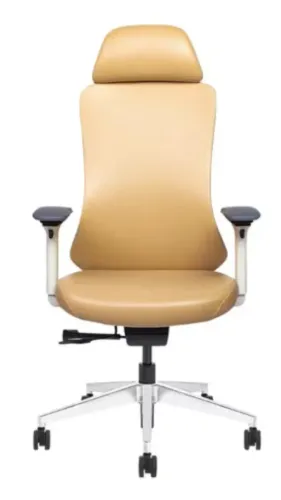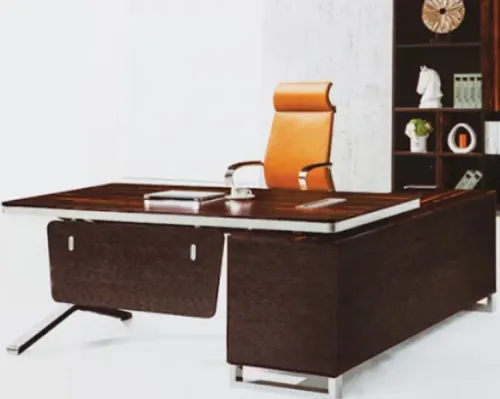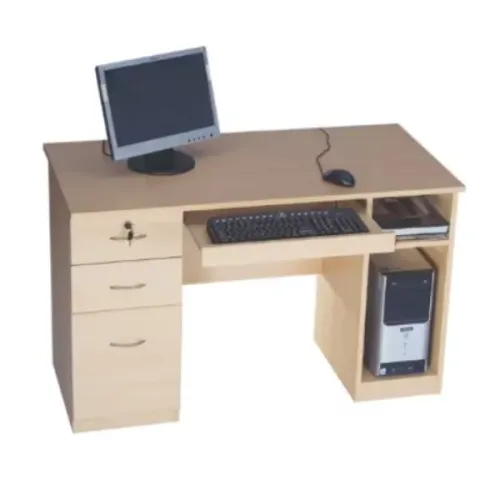
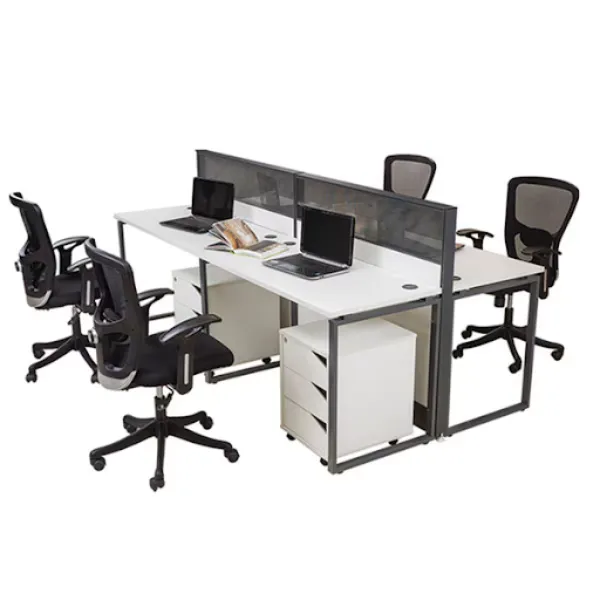
Office furniture catalogues can help buyers explore styles, dimensions, finishes, and product categories, but a catalogue alone cannot determine whether furniture will actually work within a specific workplace.
Choosing an Office Furniture Supplier requires evaluating practical factors such as space planning, specifications, manufacturing consistency, delivery coordination, installation requirements, and after-sales support.
This becomes particularly relevant for corporate offices and institutional buyers in Noida, where projects may involve dozens or hundreds of furniture units.
Understand the Complete Requirement First
Furniture procurement becomes easier when buyers create a detailed requirement instead of requesting generic quotations.
The requirement may include:
- Employee workstations
- Ergonomic chairs
- Executive desks
- Conference tables
- Reception furniture
- Storage cabinets
- Pedestals
- Training tables
- Breakout furniture
- Institutional furniture
Quantities should be accompanied by dimensions, intended usage, preferred materials, and project timelines wherever possible.
A clear requirement helps suppliers provide more meaningful specifications.
Product Quality Needs More Than Visual Inspection
Two desks that look almost identical in photographs may differ significantly in construction.
Board thickness, surface material, edge treatment, frame quality, hardware, drawer channels, connectors, and finishing can influence durability and maintenance.
Before finalizing an Office Furniture Supplier, procurement teams should understand what materials are included in the quotation.
This helps avoid comparisons based only on the final price.
Samples Can Clarify Specifications
For larger projects, evaluating a sample or prototype can be useful before full-scale manufacturing.
A workstation mock-up, chair sample, table finish, or storage unit can help stakeholders examine dimensions and usability.
Architects and interior designers may also use samples to check whether furniture finishes coordinate with flooring, partitions, wall treatments, and the overall interior concept.
Delivery Planning Matters for Commercial Projects
Furniture arriving at a site is only one part of the process.
Commercial buildings can have restrictions related to service lifts, loading areas, working hours, material movement, security permissions, and installation schedules.
The supplier should understand these constraints before dispatch.
This is particularly important in active offices where installation may need to occur in phases to minimize disruption.
Installation Quality Influences the Finished Result
Even correctly manufactured furniture can create problems if installation is poorly managed.
Workstations need alignment, partitions require secure fitting, storage units should operate correctly, and furniture must be positioned according to approved layouts.
Where power and data systems are integrated into workstations, coordination between furniture installers and technical teams becomes especially important.
After Sales Support Should Be Discussed Early
Commercial furniture experiences regular use. Hinges, channels, locks, connectors, chair components, and other hardware may eventually require attention.
Buyers should understand warranty terms, service procedures, replacement availability, and the supplier's approach to post-installation concerns.
Kantoor Furniture By 360 Degree Interiors serves office furniture requirements in the Noida market and wider Delhi NCR business region.
The right supplier should ultimately provide clarity throughout the procurement process. Product specifications, dimensions, finishes, timelines, installation responsibilities, and service conditions should be understood before an order moves into production.
For corporate offices, facility managers, architects, and institutional procurement teams, this level of evaluation can make furniture purchasing more predictable and reduce avoidable issues during project execution.
Keywords