

Designing an office is not simply about filling empty space with desks and chairs. Furniture influences movement, employee comfort, storage, collaboration, privacy, and even how efficiently available floor space is used. This is why choosing an experienced Office Furniture Manufacturer is an important part of workplace planning.
For businesses in Noida and across Uttar Pradesh, office requirements can vary significantly between IT companies, corporate headquarters, educational institutions, hospitals, government departments, and growing enterprises. Furniture should therefore be selected according to actual working patterns rather than appearance alone.
Start With the Way the Space Will Be Used
Before selecting furniture, understand how employees use the workplace throughout the day.
A practical assessment should consider:
- Number of employees
- Department sizes
- Individual and collaborative work requirements
- Meeting room capacity
- Storage requirements
- Visitor movement
- Electrical and data connectivity
- Future team expansion
An Office Furniture Manufacturer can use these details to recommend suitable workstation dimensions, storage systems, meeting tables, executive furniture, and seating configurations.
Furniture Dimensions Affect Space Efficiency
Oversized desks may look impressive but can reduce circulation space. Furniture that is too compact can make employees uncomfortable and limit storage.
Good workplace planning maintains a balance between usable work surfaces and comfortable movement.
Workstation dimensions should account for monitors, laptops, documents, personal storage, electrical connections, and ergonomic seating. Meeting tables should provide adequate seating without making conference rooms difficult to navigate.
These considerations become particularly important for offices in commercial areas of Noida where organizations often need to make efficient use of defined floor plates.
Modular Designs Make Workplace Changes Easier
Modern businesses rarely remain static. Teams expand, departments move, and working models change.
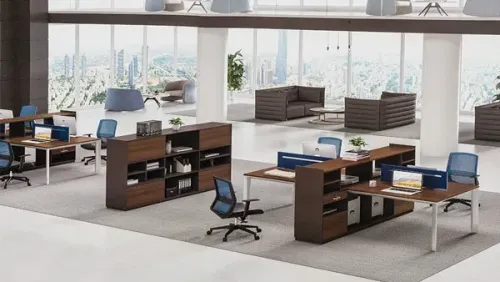
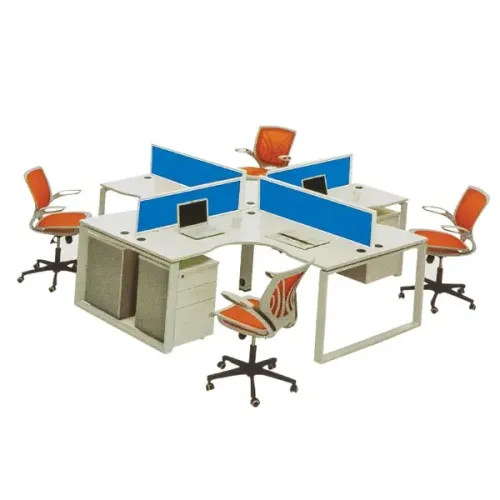
Modular office furniture provides greater flexibility because components can be configured around different layouts. Depending on the system, organizations may be able to add workstations, change cluster arrangements, introduce partitions, or reorganize storage without replacing the complete furniture setup.
This approach can be useful for startups, corporate offices, institutions, and expanding businesses across Delhi NCR.
Employee Comfort Deserves Equal Attention
Workstations should support employees who may spend several hours working at their desks.
Appropriate desk heights, adequate legroom, comfortable chairs, monitor positioning, and accessible storage all contribute to a more functional workspace.
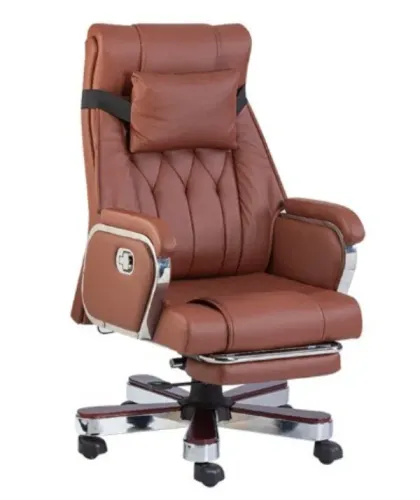
Ergonomics is especially relevant when selecting task chairs. Adjustable seat height, suitable back support, appropriate armrests, and comfortable seat dimensions can help accommodate different users.
Furniture alone cannot guarantee good posture, but thoughtful furniture selection can create an environment that supports healthier working habits.
Materials Should Match the Application
Not every office area requires identical furniture specifications.
A reception desk experiences different usage from an executive table. Training room furniture may need to be lightweight and adaptable, while workstations used every day require durable surfaces and dependable hardware.
When comparing materials, buyers should examine:
- Board and surface specifications
- Edge finishing
- Hardware quality
- Frame construction
- Load requirements
- Cleaning requirements
- Expected usage frequency
- Maintenance considerations
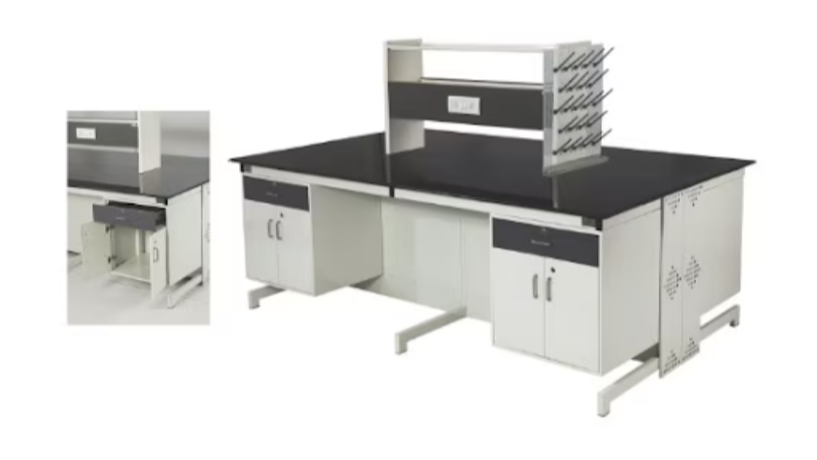
This is particularly important for institutional and commercial procurement where furniture may experience intensive daily use.
Workplace Furniture Should Be Planned as a System
The most effective offices generally have consistency between workstations, chairs, storage, conference furniture, cabins, and common areas.
Instead of purchasing each item independently, organizations can plan furniture as an integrated workplace system.
Kantoor Furniture By 360 Degree Interiors works within the office furniture manufacturing segment, where layout requirements, furniture specifications, and practical workplace needs can be considered together.
For businesses planning new offices or upgrading existing facilities in Noida, the key is to begin with space, people, workflow, and future requirements. Furniture decisions made around these factors are more likely to create a workplace that remains practical as the organization evolves.